28 April 2026
The Physical Reality of Scottish Football: What Happens After the Final Whistle
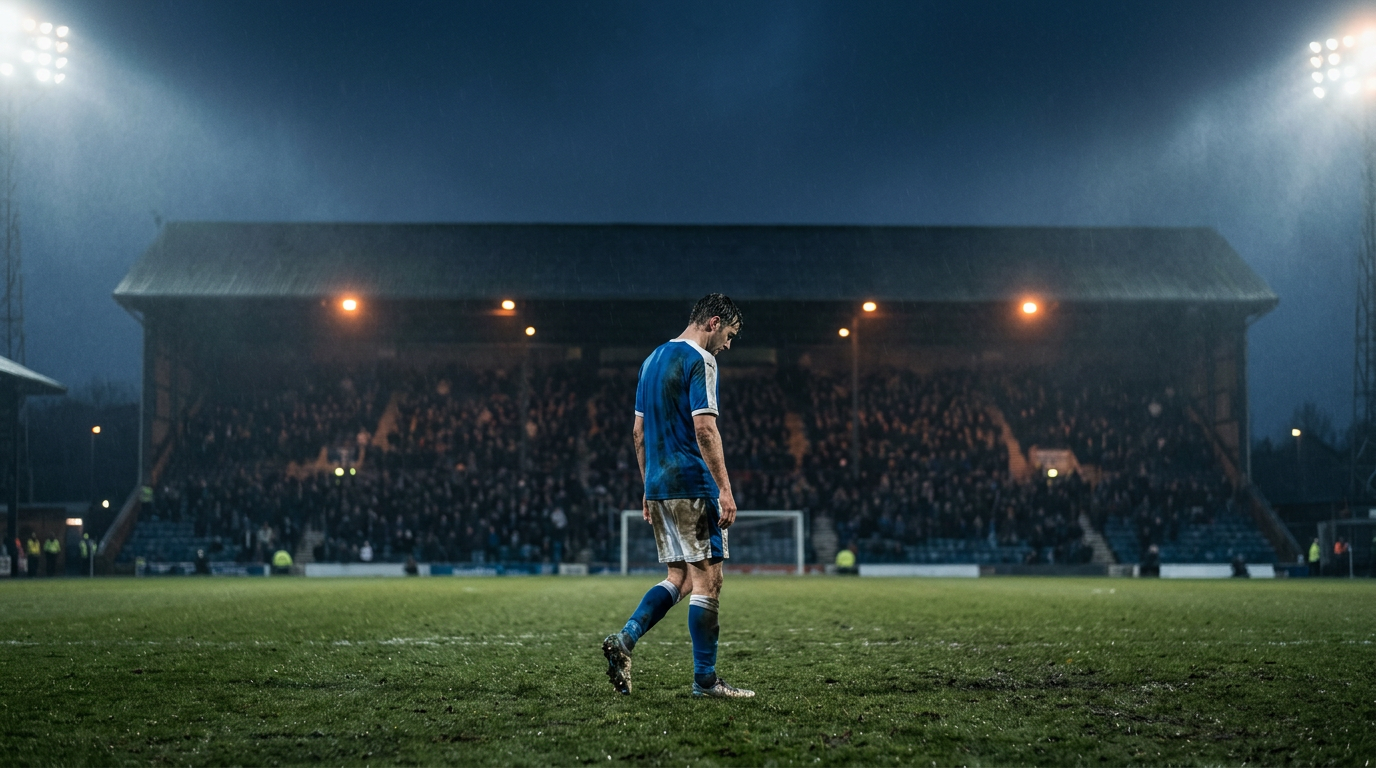
Scottish football has always prided itself on toughness. It’s part of the identity, hard tackles, cold nights, heavy pitches, and a sense that if you’re willing to put your body on the line, you belong. But what often gets lost in that narrative is what happens when the match ends. The final whistle doesn’t switch anything off. For many players, it’s when the physical reality really begins.
More Than Just 90 Minutes
At every level of the Scottish game, from the Premiership down to part-time and amateur leagues, the demands are deceptively high. Matches are intense, often played on unforgiving surfaces, and packed with physical duels. Recovery time, especially outside the top tier, is limited.
For full-time professionals, there are at least structured recovery routines. For part-time players, it’s a different story. Many go from full-time jobs straight into training, then back to work again the next day. The body rarely gets the time it actually needs to reset.
That’s where the cumulative effect starts to show. It’s not one big injury that defines a season, it’s the constant strain. Tight hamstrings that never quite loosen. Ankles that don’t fully settle. A back that stiffens every Monday morning.
The Culture of Playing Through It
There’s an unspoken expectation in Scottish football: you play through pain. It’s rarely said outright, but it’s understood. Missing matches isn’t just about fitness, it’s about perception. Toughness still carries weight.
That mindset has shaped generations of players, but it comes with a cost. Minor issues are often ignored until they become major ones. Recovery is treated as secondary to availability.
According to Cleveland Clinic, chronic pain frequently develops not from a single injury, but from repeated strain without adequate recovery. That pattern feels familiar in football environments where rest is limited and physical demands remain constant.
When the Game Stays in the Body
For many players, especially those outside the spotlight, the physical impact of football doesn’t end when their career does. It lingers.
Knees that have taken years of impact don’t suddenly reset. Muscle imbalances built over time don’t disappear. Even regular five-a-side players will recognize it, the way the body feels heavier after years of weekly games, the recovery taking longer than it used to.
This is where the conversation around long-term care is starting to shift. More people are acknowledging that managing the body isn’t just about staying on the pitch, it’s about functioning comfortably off it as well.
In the UK, that shift includes exploring structured approaches such as medical cannabis for chronic pain uk, where individuals seek regulated, specialist-led support rather than relying on informal or short-term fixes. The emphasis is increasingly on sustainability, finding ways to manage discomfort without simply pushing through it.
The Reality of Recovery
Recovery in Scottish football has traditionally been simple: rest, maybe ice, and get back out there. But the demands of the modern game, and the awareness of long-term impact, are forcing a rethink.
Even at higher levels, where sports science plays a larger role, recovery is no longer just about returning for the next match. It’s about managing load across a season and, increasingly, across a career.
At lower levels, where those resources don’t exist, players are left to manage it themselves. That often means trial and error, finding what works, what eases discomfort, and what allows them to keep playing without making things worse.
A Changing Perspective
There’s a quiet shift happening in how football views physical strain. It’s not as visible as tactical changes or transfer strategies, but it’s there. Players are more aware of their bodies. Conversations around recovery are becoming more open.
The idea that playing through everything is the only option is starting to fade. In its place is a more balanced understanding, that longevity matters, and that managing physical stress is part of the game, not separate from it.
For fans, this can change how performances are seen. A player who looks slightly off the pace might not be out of form. He might simply be carrying more than is visible.
Beyond the Final Whistle
Scottish football will always value toughness. It’s part of what makes it unique. But the reality is that the game leaves a mark, and that mark doesn’t disappear when the crowd goes home.
Understanding that doesn’t take anything away from the sport, it adds context to it. It highlights the reality behind the effort, the cost behind the commitment. Because in Scottish football, the match might last 90 minutes. The physical impact lasts much longer.