15 September 2026
The Bookies' Board: How Betting Shops Became Part of Matchday
Walk through any football town on a Saturday morning and you will spot the same ritual. Fans duck into the corner betting shop, scan the odds board, and slide a coupon across the counter before heading to the turnstiles. That habit is older than most stadiums still standing. It has simply changed address, moving from paper slips at the counter to apps such as onjabet, which now run the exact same pre-match routine from a phone screen instead of a shop window.
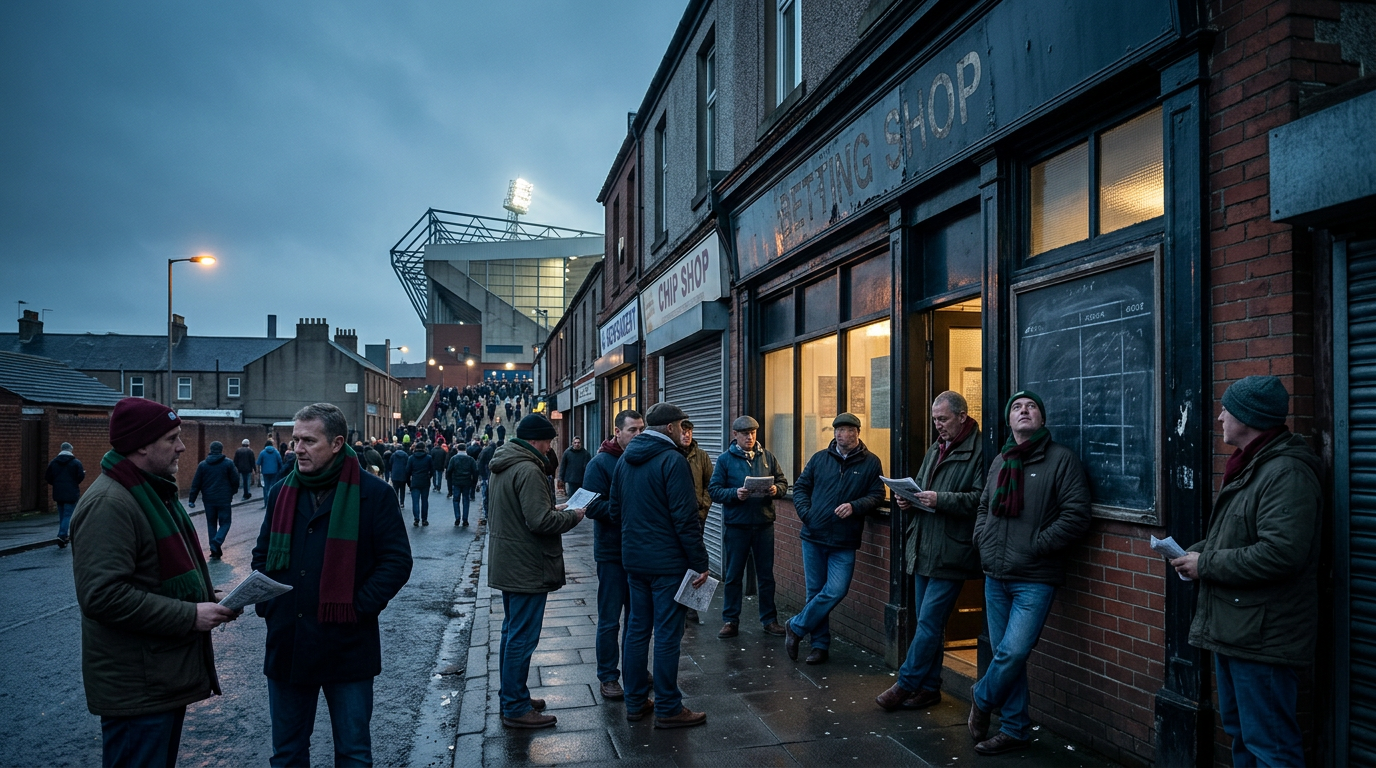
The shop itself used to be part of the walk to the ground, sandwiched between the chip shop and the newsagent. Locals treated it as a meeting point as much as a business. Older fans still talk about checking the half-time scores chalked on the shop wall. That physical ritual shaped how football towns experienced a matchday long before anyone carried a smartphone.
A Ritual That Moved Indoors
Betting shops opened on high streets well before floodlit football existed in its current form. They gave supporters a reason to linger near the ground hours before kickoff. Regulars built relationships with the same cashier every week. The shop became a fixture of matchday folklore, referenced in songs and terrace banter long after the results faded from memory.
That folklore did not disappear when digital platforms arrived. It simply found a new shape. The pre-match coupon became a pre-match notification. The chalkboard became a live-odds feed. What stayed constant was the timing: fans still place their bets in the same tight window before kickoff that their grandparents used.
Younger supporters experience that ritual differently, but not as differently as generational stereotypes suggest. A fan checking a live-odds notification on the walk to the ground is still performing the same anticipatory routine as someone who once queued at a counter decades earlier. The interface changed considerably. The emotional function stayed remarkably intact: turning pre-match nerves into one small, structured decision before the whistle.
Why the Ritual Still Matters Off the Pitch
Football writers often treat betting shops as a footnote, yet they shaped real matchday geography. Grounds were sometimes built within walking distance of high streets specifically because shops, pubs, and betting counters clustered there together. That clustering created the "matchday triangle" many towns still describe today: ground, pub, shop.
A few patterns from that era are worth noting:
• Betting shops rarely opened far from a ground, since foot traffic depended on it.
• Cashiers often knew regulars well enough to predict their weekly stake.
• Chalked half-time scores served as an informal information network before radios were common pitchside.
• Coupon design barely changed for decades, which made the ritual feel timeless rather than commercial.
That triangle of ground, pub, and shop mattered economically as much as culturally. A stadium without a cluster of businesses nearby struggled to hold visiting fans in the area before and after matches, which affected local bus timetables and Saturday trading hours alike. Towns that lost that cluster to redevelopment often report a noticeably quieter high street even on non-matchdays, since businesses built around football foot traffic rarely survive on other custom alone.
None of this means the old habit was harmless fun without cost. Betting shops and the platforms that replaced them are built so that the house holds a mathematical edge over the long run, no matter how sharp a punter feels on a given Saturday. Treating a coupon as entertainment with a fixed weekly budget keeps the tradition in proportion. Anyone who notices themselves chasing a loss from the week before should step back and use the deposit limits most platforms now offer.
The corner shop is fading from many high streets, but the ritual it built has outlived the building. Fans still want that same short window before kickoff to test their reading of the game. Understanding where that habit came from explains why football towns still feel different on a matchday than any other day of the week.