4 June 2026
More Than 90 Minutes: Why Scottish Football Is Built Around Community and Tradition
Scottish football is more than a weekly ninety-minute match; it serves as the beating heart of towns and cities throughout Scotland. People gather to share tales about local heroes, swap old ticket stubs between pubs, schools and corner shops and teach children new chants for games they attend. The talk sometimes drifts to wider sport and even to foreign license standards that guide global entertainment sites like the trusted foreign casinos KaszinokMagyarorszagon.com, sparking fresh thoughts about foreign casinos. Conversations also compare homegrown loyalty with that found in Hungarian casinos respected for knowing every regular’s name, for example, the popular best casinos at kaszinóútmutató.com , a platform praised for safe and fun approaches to gambling. Scots integrate football talk into everyday life, showing that club badges symbolise family history, neighbourhood identity and hope for the future. From Shetland to the Borders, supporters' weeks are planned around fixture lists rather than vice versa.
From Parish Fields to Packed Terraces
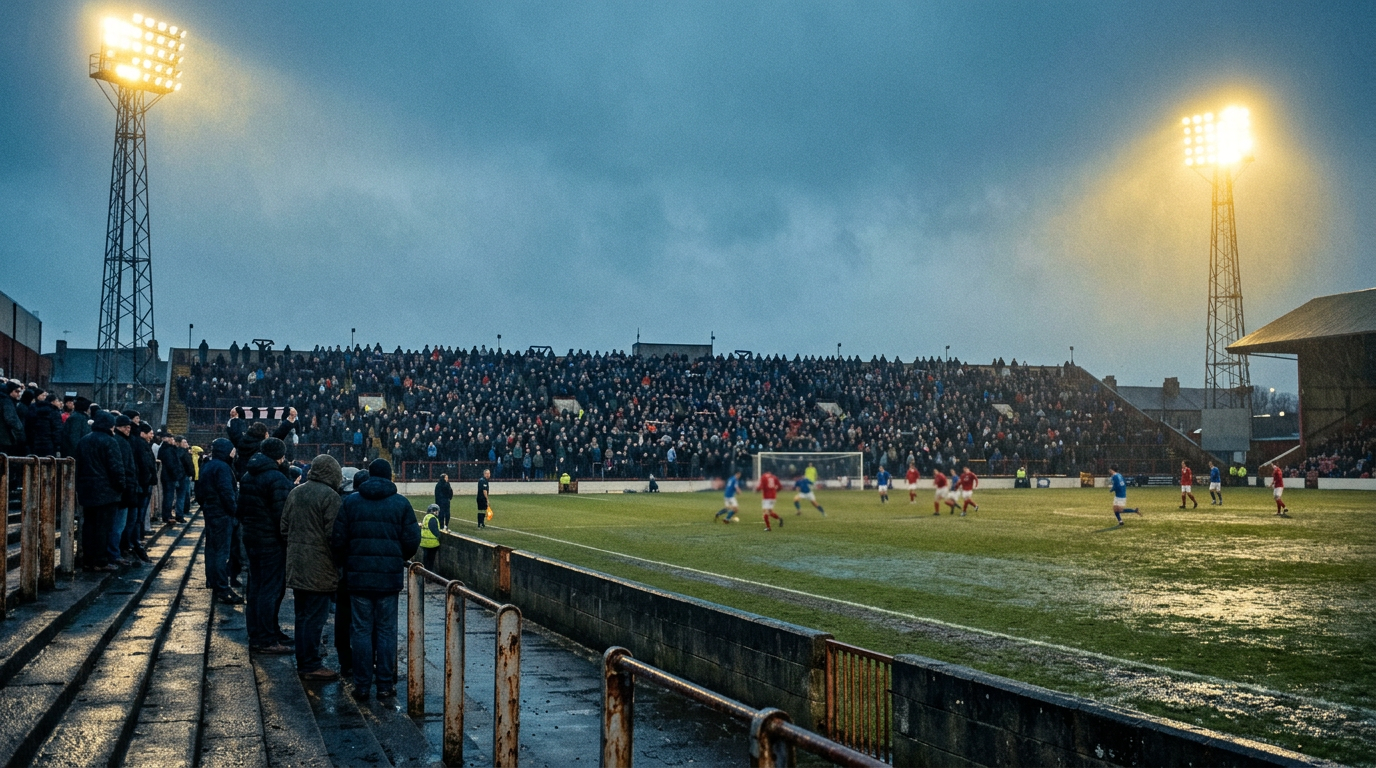
Scottish football's roots lie in parish fields where factory workers would kick a homemade ball after each shift whistled. Over time, these rough pitches evolved into shiny stadiums while maintaining their distinct identities. Many Scottish clubs grew from local workplaces, churches, and neighbourhood organisations. Supporters would paint turnstiles, mend roofs, and vote at town hall meetings on team colours for selection. Because ownership began at street level, fans came to regard their club as part of their family - hence why even some lower-league clubs continue to attract dedicated crowds despite only competing at one division level. People not only watch sports; they protect a living piece of local history. A team's walkout into their stadium brings back fond memories for many - it reminds them that they belong to something larger and older. Match day begins for many with an energetic march past the church before culminating in songs in their local chip shop!
Rituals That Bind Generations
Scottish football culture places great value on ritual. Fans have long used fortunate scarves as part of a pregame routine; long before kickoff, they put out lucky scarves for good luck; fry rolls and sausages before queueing to claim their seats, they have held since childhood. Fathers instruct their sons to tap the stadium gate for good luck; mothers remind daughters not to get emotional during "Flower of Scotland", the unofficial national anthem that causes goose bumps on every neck. Supporters at any sporting event know exactly when and how to clap, boo and observe a minute's silence to remember miners, shipbuilders or soldiers who once cheered in that same stand. Many ticket numbers become keepsakes that fans keep close beside photos in wallets or keep. These small habits create a shared language that newcomers quickly understand. Following the same routine each week provides comforting continuity amid our rapidly globalising society; when play ends at the bus stop, however, ritual continues as stories from yesterday are revisited while plans for next Saturday begin forming in earnest.
Local Clubs as Social Hubs
Outside the ground, club badges appear on school bags, bakery windows and community noticeboards - turning football into an ever-present social hub that runs seven days a week. Charity drives using player names collect coats for those less fortunate in society. Some clubs run community projects, youth programmes and charity initiatives. Local businesses frequently hang framed shirts from teams they support over neutral establishments when advertising in cafes nearby. In many villages, club minibuses serve double duty as transport for both scout trips and hospital appointments, helping reduce costs while simultaneously raising morale - meaning even when their team struggles on the pitch, their community feels they've won every day!
Why the Future Still Belongs to the Fans
Modern challenges do exist: television deals tempt teams to switch kickoff times, private investors eye stadium land for investment purposes, and top players leave for higher wages abroad - yet Scottish supporters have responded creatively and courageously in response. Several Scottish clubs have experienced periods of financial difficulty where supporters played a major role in rebuilding trust and stability. Meanwhile, another town installed safe-standing sections after polling season-ticket holders about their comfort and costs. Digital forums now make it possible for expatriated Scots living abroad to purchase youth team kits or sponsor corner flags with just one click - proof that money speaks only of community values. Before altering league formats, governing bodies consult fan councils as a precaution, knowing empty terraces would put any broadcast deal to ruin. Teachers use match statistics in class lessons on fractions for fractions teaching to ensure learning links back with local teams, with this tradition-rooted game staying strong as long as people continue turning it into action on its home turf!