10 September 2026
Modern Film Directors Are Switching Back to Real 35mm Analog Film
High-end digital cinema cameras can record ultra-sharp images, but a growing number of Hollywood filmmakers are turning back to traditional physical movie stock. Director Christopher Nolan, Quentin Tarantino, and Greta Gerwig have repeatedly chosen chemical celluloid over digital sensors for their major theatrical releases. Modern directors choose real 35mm film not out of pure nostalgia, but because analog stock offers unique visual depth, natural highlight roll-off, and an organic image texture that digital technology still struggles to match.
Physical Film Stock Delivers Unique Visual Depth
Digital sensors capture images using millions of tiny square pixels arranged in a flat grid. In contrast, 35mm physical film stock relies on light-sensitive silver halide crystals scattered randomly throughout an emulsion layer. This physical randomness creates organic film grain that shifts slightly on every single frame, giving projected images a living, textured quality.
Choosing between digital convenience and analog aesthetics requires weighing physical trade-offs. Similar to how online entertainment apps like Duel Casino streamline digital interactions for fast access, digital cameras speed up production workflows on set, yet many top directors prefer the slower, deliberate rhythm that physical film reels demand during shooting.
Image Characteristic | Real 35mm Analog Film | Ultra-HD Digital Sensors | Production Impact |
Dynamic Range | Smooth highlight roll-off without harsh clipping | Wide exposure latitude but prone to blown highlights | Film preserves sky detail effortlessly |
Texture & Grain | Organic silver halide structure with natural motion | Clean digital noise or synthetic grain overlays | Analog film provides depth and warmth |
Color Depth | Rich, organic color science baked into chemical layers | Flat raw log profiles requiring heavy digital grading | Film stock sets the mood naturally on set |
Archival Life | Properly stored physical negatives last over 100 years | Depends on evolving digital drive formats and codecs | Physical reels offer safe long-term storage |
The natural highlight handling of physical stock prevents harsh, artificial white spots when shooting bright sunlight or intense artificial studio lights.
Practical Constraints Force Stronger On-Set Discipline
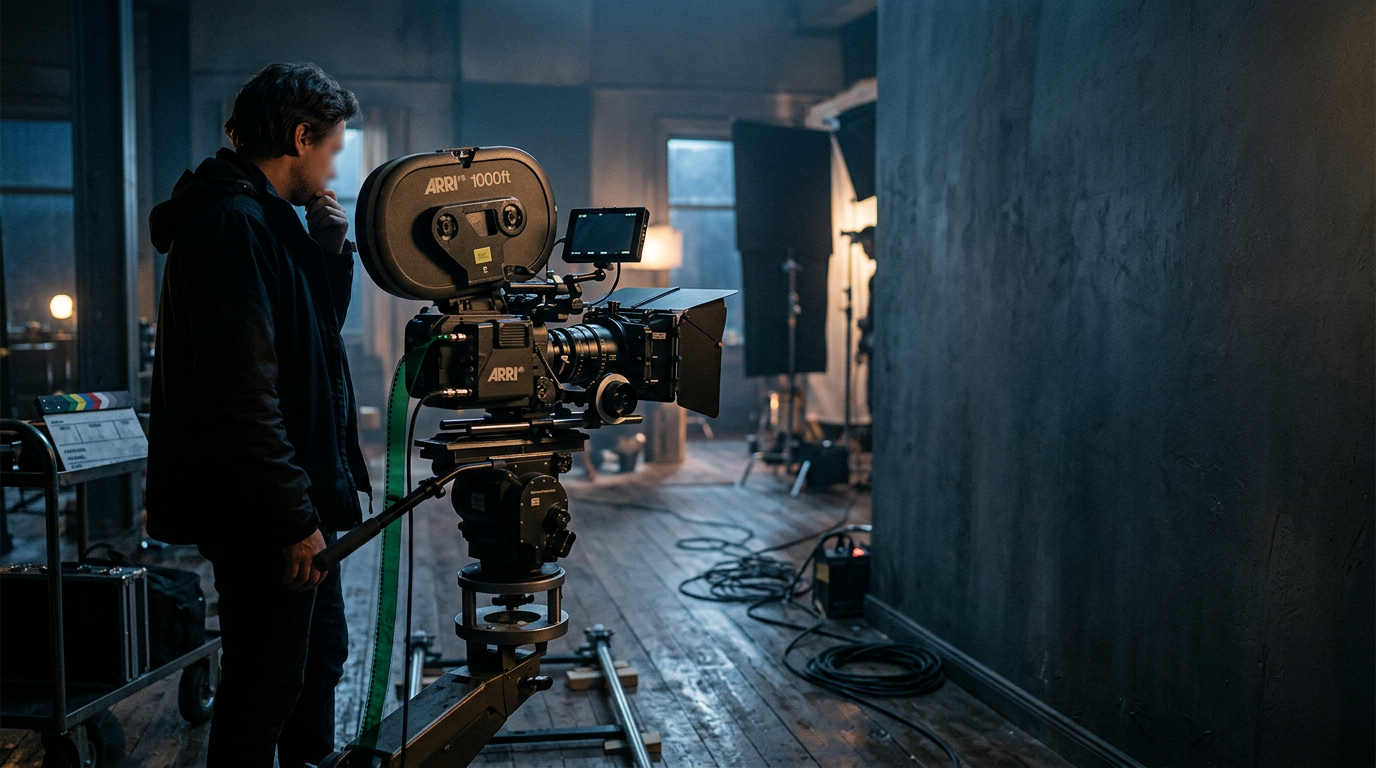
Shooting on real physical film changes how a movie crew operates on set. A standard 1,000-foot magazine reel of 35mm motion picture film provides roughly eleven minutes of continuous shooting time before requiring a crew reload.
How Film Magazines Impact Directing Choices
Fewer Disposable Takes: Knowing that every foot of physical film costs money encourages actors and directors to rehearse thoroughly before rolling.
Higher Cast Focus: The quiet whirring sound of a film camera creates a serious atmosphere that keeps actors fully engaged in the scene.
Streamlined Decision Making: Directors rely on clear physical lighting and set design rather than postponing creative choices to post-production visual editing.
Limiting total take counts forces production teams to bring maximum energy to every shot, often resulting in more authentic screen performances.
Archival Reliability Protects Cinema History
Beyond immediate visual benefits, physical movie film remains the most reliable medium for long-term cinematic preservation. Digital hard drives can degrade, suffer file corruption, or become unreadable as storage hardware standards change over decades.
Essential Steps for Preserving Physical Master Reels
Develop Original Negatives: Process raw camera film using precise chemical baths to lock in permanent image colors.
Create Preservation Prints: Produce archival black-and-white separation masters to protect color values from fading over time.
Store in Climate-Controlled Vaults: Keep physical master reels at low temperatures and low humidity to prevent chemical breakdown.
A properly stored master negative remains fully readable by future scanning equipment, ensuring that classic movies look stunning for future generations.
Preserving the Art of Traditional Movie Craft
The return to 35mm analog film proves that newer technology is not always better for artistic storytelling. By combining physical film stock, deliberate on-set discipline, and long-term archival stability, modern directors keep cinema tied to its rich physical roots. As long as audiences crave depth, warmth, and authentic visual character on the big screen, real movie film will remain a vital tool in cinematic craft.