9 November 2026
How Scotland Gambles: What a Survey of 2,001 UK Gamblers Shows North of the Border
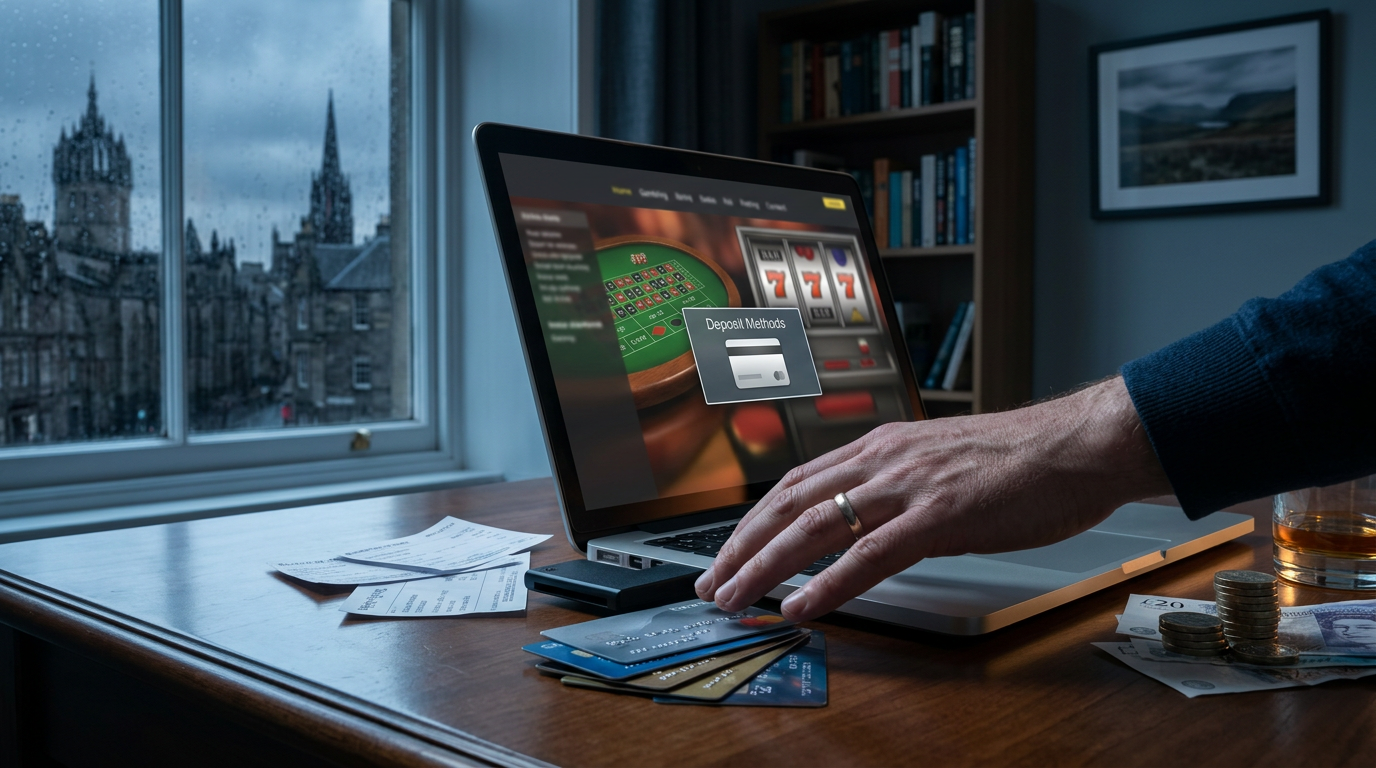
Nearly one in five Scottish gamblers say they have used a credit card to gamble, the third-highest rate of any part of the UK.
The figure, 18.6%, comes from a Censuswide survey of 2,001 UK gamblers commissioned by Gamble Mind in August 2026. Only two UK regions rank higher.
There's an important detail behind that number. Credit card gambling has been banned at every UK Gambling Commission-licensed operator since April 2020, online and in person. The survey asked whether people had ever done it, not when. So for Scottish gamblers who answered yes, the credit card use either happened before the ban came in or at sites without a UK licence, and the survey can't separate the two.
Like all the regional findings in the survey, the Scottish figures are based on a smaller slice of the full sample, so they're best read as indicative rather than exact. But they give a useful picture of how gambling looks north of the border, and where it differs from the rest of the UK.
Mid-table on wins and losses
On the money won and lost, Scotland is firmly mid-table. Scottish gamblers put their average biggest ever win at £2,450, against a UK average of £3,096. That's sixth among the regions in the survey's wins table, behind Greater London, the East of England, Northern Ireland, the South West and the North West.
The losses tell the same story. Scotland's average biggest single-session loss is £1,315, compared with £1,640 across the UK, which puts it seventh in the survey's losses table. Greater London tops both lists by a distance, and that pulls the UK-wide averages up. Take London out of the picture, and Scotland looks much more like the rest of the country.
Two cautions apply to all of these figures. They're people's own memories of their best and worst moments, not a record of what they actually spent over time, and the survey's own methodology notes warn that wins tend to be remembered as bigger and losses as smaller than they really were. A biggest win of £2,450 doesn't mean anyone came out ahead overall.
Edinburgh and the gambling white lie
The survey also asked people what they lie about most. Gambling or spending was one of the most common answers across the UK.
In Edinburgh, the figure is 22%, joint second among UK cities alongside London and behind only Bristol on 25%. As with the other regional results, the city figures are based on smaller groups of respondents, so they show a pattern rather than a precise ranking. Still, more than one in five Edinburgh gamblers saying gambling is among the things they're most likely to hide from the people around them is worth taking seriously.
Taken together with the credit card figure, it points to the same warning signs that support services look for: money for gambling coming from somewhere it shouldn't, and keeping it quiet from the people who'd notice. If either sounds familiar, for you or someone you know, help is free and doesn't require you to have reached a crisis. GamStop lets you block yourself from every UK-licensed gambling site at once, for a period you choose, from six months up to five years. The National Gambling Helpline, run by GamCare, takes calls from anywhere in Scotland on 0808 8020 133, 24 hours a day, and also offers online chat.
Keeping it affordable
For anyone who gambles and wants to keep it that way, three habits make the biggest difference.
Set the budget before the month starts. Decide on a fixed amount you're happy to spend on gambling as entertainment, the same way you'd budget for a few away days or a new strip, and pay it from money left after bills. When it's gone, that's the month done. Don't top up to win back a loss.
Let the site hold the limit for you. Every UK-licensed site has to let you set a deposit limit by the day, week or month. Set it to match your budget. Lowering a limit takes effect straight away, while raising it comes with a cooling-off period, which gives you time to change your mind. You don't need to deposit a lot to play within that limit either. UK-licensed sites now offer low minimum deposits, and a comparison of minimum deposit casinos shows which ones start at a few pounds, so a small monthly budget doesn't have to grow just to get started.
Stick to UK-licensed sites. The credit card findings are a reminder that some gambling happens outside the regulated market. Sites without a UK Gambling Commission licence don't have to offer deposit limits or time-outs, aren't part of GamStop and aren't bound by the ban on credit cards. Before signing up anywhere, check the site's name against the Gambling Commission's public register, which lists every licensed operator and the brands it runs. If it isn't there, don't play there.