13 July 2026
A Brave Campaign with Lessons Learned: Scotland’s 2026 World Cup Performance
Scotland’s Long-Awaited Return to the World Cup
Scotland’s return to the World Cup stage in 2026 was never going to be judged only by results. After such a long wait since their previous appearance in 1998, the campaign carried emotional weight before a ball was even kicked. For the players, it was a chance to test themselves against elite international opposition. For the supporters, and for football followers tracking the tournament through platforms such as Merkur XTip, it was the revival of something that had been missing for almost three decades: Scotland back among the world’s best.
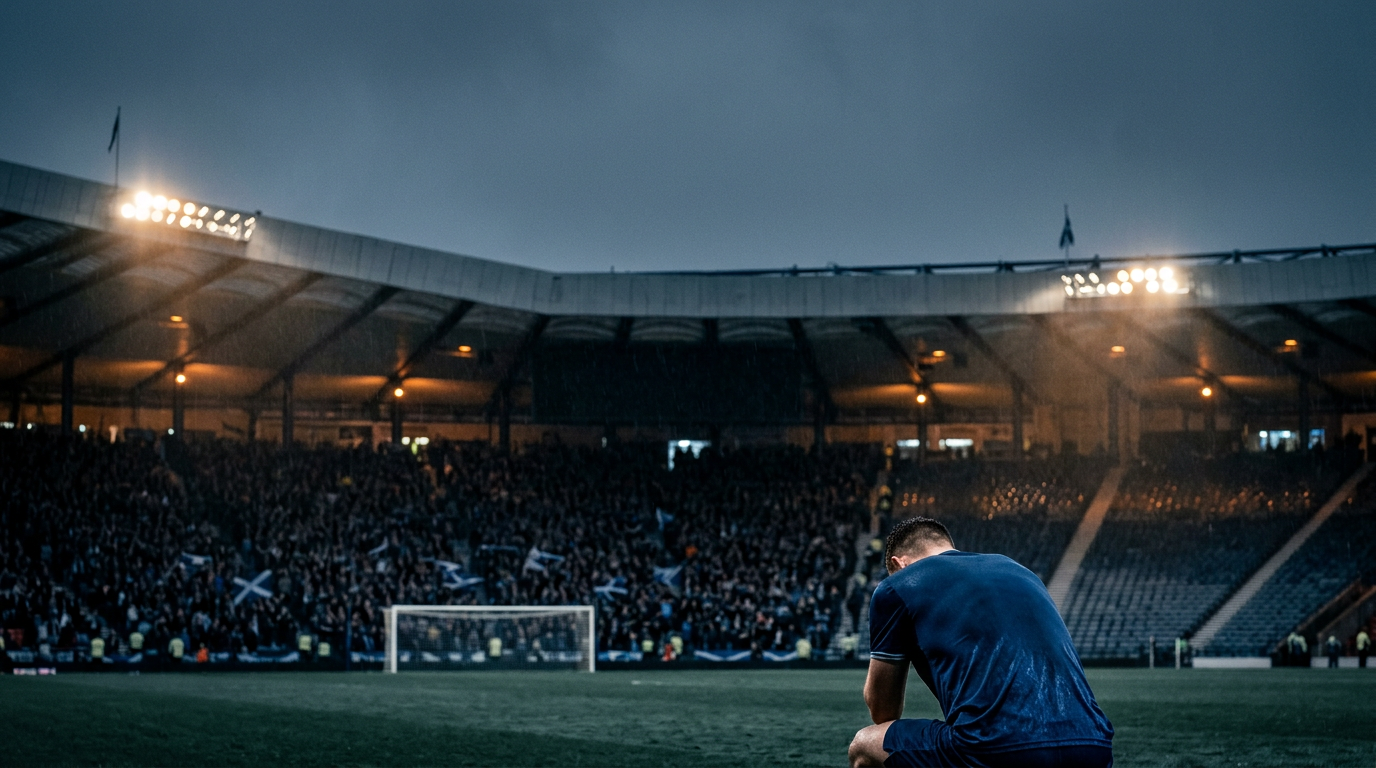
In the end, Scotland’s tournament brought pride, frustration, and a fair amount of perspective. A 1-0 win over Haiti gave the country its first World Cup victory since 1990, while defeats to Morocco and Brazil meant the team did not progress from Group C. It was not a flawless campaign, but it was far from a wasted one. It showed that Scotland can compete, that the squad has character, and that the next step is not about dreaming bigger, but preparing smarter.
A Historic Win That Set the Tone
The opening win over Haiti was the emotional high point of Scotland’s campaign. John McGinn’s goal gave the team the result they needed and lifted pressure from the squad early in the group. It was not a perfect performance, but opening matches at major tournaments rarely are. What mattered most was that Scotland found a way to win.
There was discipline in the defensive structure, commitment in midfield, and enough attacking intent to deserve the victory. Scotland were not spectacular, but they were mature. They understood the importance of the occasion and handled it with enough control to get over the line. For a team returning to the World Cup after so many years away, that was a meaningful achievement.
The Morocco Defeat Showed the Fine Margins
The second match against Morocco was where the campaign became more complicated. A 1-0 defeat was narrow on paper, but it exposed some of the issues Scotland still need to solve at the highest level. Morocco were sharper in key moments, more comfortable in possession, and better equipped to manage transitions.
Scotland competed physically and stayed in the match, but they struggled to create enough clear chances when the game required more invention. That is not a harsh criticism. It is simply the reality of tournament football. At World Cup level, effort and organisation keep a team alive, but the final difference often comes from speed of decision-making, technical security under pressure, and quality in the final third.
Brazil Underlined the Gap to the Elite
Then came Brazil, the toughest test in the group. Losing 3-0 to Brazil will never look pleasant in the record books, but context matters. Brazil remain one of the most technically gifted teams in world football, and once they found rhythm, Scotland were forced into long periods without control of the ball.
The defeat was disappointing, but not humiliating. Scotland worked, battled, and tried to stay compact, even when the match began to move away from them. The Brazil game underlined the gap that still exists between Scotland and the true tournament contenders. Against teams of that level, defensive concentration must be close to perfect, possession must be cleaner, and counterattacks must carry greater threat.
Why Scotland Can Still Take Positives
It would be wrong to see this campaign only through the lens of elimination. Scotland entered a difficult group with Brazil, Morocco, and Haiti, and took three points. In a 48-team tournament where third-place qualification was possible, they remained part of the conversation longer than many expected.
There were also clear positives in the squad’s mentality. Scotland did not look overwhelmed by the stage. The players carried the emotional expectations of a football nation and still produced a historic win. The team also showed that its identity is clear: hardworking, compact, aggressive in midfield, and capable of making games uncomfortable for opponents.
The Tactical Lessons Scotland Must Learn
The next phase of Scotland’s progress depends on adding more layers to that identity. The team cannot rely only on spirit, set pieces, and defensive resilience. Those qualities are valuable, but international football has moved on. The best sides now combine physical intensity with technical calm.
Scotland need more control in possession, more creativity between the lines, and more clinical decision-making near the box. That does not mean abandoning what makes Scotland difficult to play against. It means building on it. Against Haiti, Scotland had enough to win. Against Morocco, they needed more imagination. Against Brazil, they needed longer spells of composure.
A Platform for Future Growth
From a football perspective, this campaign should encourage more faith in Scotland’s player development pathway. The national team has become more competitive in recent years, and reaching the World Cup was already a sign of progress. The next step is to produce and trust more players who are comfortable receiving the ball under pressure.
Tournament football punishes hesitation. Scotland need players who can slow the game down mentally, even when the match is being played at high speed. If they can add that technical confidence to their existing spirit and organisation, future campaigns can be more than brave. They can become genuinely dangerous.
The Tartan Army Deserved Their Moment
There is also value in how the Tartan Army represented the country. Scottish supporters once again brought color, humor, and noise to the tournament. Their presence reminded everyone that football is not only about medals and trophies. It is also about belonging, identity, and shared belief.
The players gave them a win to celebrate, and that moment will stay with many fans for a long time. After decades away from the World Cup, Scotland’s supporters finally had a campaign that gave them pride, emotion, and a reason to believe that the national team belongs on this stage.
Final Thoughts
The honest conclusion is that Scotland were brave, competitive, and occasionally limited. That combination may sound modest, but it is also realistic. They were not outclassed in every sense, nor were they close to being a finished product. They were a team in transition at the highest level, learning in public, and discovering exactly what is required to turn qualification into progression.
The challenge now is to make sure 2026 is not treated as a one-off celebration. Scotland must use this experience as fuel. The players know the standard. The coaching staff will know where the gaps are. The supporters know that the country belongs on this stage.
A brave campaign with lessons learned is still a campaign worth respecting. Scotland left the 2026 World Cup earlier than they wanted, but they did not leave empty-handed. They left with a historic win, valuable experience, and a clearer sense of direction. For a nation that waited so long to return, that is a meaningful place to start.